President, Confluence PSG
If you’re launching a task force or working group, one of the most important choices you’ll make is selecting the facilitator. Too often, this decision is treated as a logistical one—about who can “run the meetings.” But in Collaborative Decision Making Processes (CDMPs), that bar is far too low.
CDMPs are designed to tackle complex and often contentious issues. That means the facilitator must do more than manage time and take notes. They must navigate politics, build trust across stakeholders, and lead a group toward aligned, actionable outcomes.
If you’re hiring someone to “keep things moving,” you may be underestimating what’s required.
Some agencies or organizations consider facilitating CDMPs with internal staff. In some cases, that can work. But in most, it introduces challenges—real or perceived—about neutrality, authority, and credibility.
Internal facilitators are often seen as too close to the issue or too aligned with agency interests. Stakeholders may hesitate to speak candidly, fearing political consequences or institutional backlash.
External facilitators, when chosen well, bring neutrality, authority, and a broader lens. They’re often better positioned to manage conflict, balance power dynamics, and push the process where it needs to go.
That said, not all external facilitators are equal. And not all are right for CDMPs.
Facilitation has become a catch-all term. Today, nearly anyone who hosts a meeting or runs a retreat might call themselves a facilitator.
But CDMPs aren’t about hosting meetings. They’re about solving difficult problems in high-stakes environments. That calls for a very different kind of leadership.
Think of it this way:
The work is as much about group dynamics, conflict resolution and relationships as it is about agendas and timing.
A skilled facilitator brings more than warmth and polish. Look for someone with:
Not every facilitator is equipped for CDMPs. Here are some signs that someone may not be the right fit:
At Confluence PSG, we don’t just “run meetings.” We’re brought in when the stakes are high, the issues are politically charged, and/or the standard process has stalled.
Our facilitators are:
We bring the strategy, credibility, and calm resolve needed to move complex groups toward shared solutions.
The success of your CDMP may hinge on the person guiding it. Don’t settle for someone who can keep time or follow a script. Invest in a facilitator who can help you navigate conflict, build trust, and get results.
In our next post, we’ll turn to how to build a CDMP membership that aligns with your goals and expands your impact.

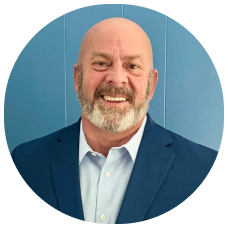
Berrick Abramson has designed and facilitated more than 50 work groups, task forces, and multi-stakeholder processes across AI governance, transit, healthcare, education, criminal justice, disability rights, wildfire resilience, and workforce development. He serves on the Colorado Commission on Higher Education, appointed by Governor Polis in 2019 and reappointed in 2023.
Colorado Educator Safety Task
Force
What Most Facilitators Get Wrong
Read →
Get Ready Before You Begin:
Preparing Your CDMP for Launch
Read →
The Colorado Way: What the AI
Working Group Got Right
Read →
New posts when they publish. No
gate, no obligation.