BLOG
CDMPs: Closing Strong

Don’t Let It Fade: How to Close Your CDMP with Impact
Too many collaborative efforts end with a final meeting and a vague promise to “keep in touch.” That may feel like a natural close, but it wastes hard-earned momentum and leaves participants—and their work—without direction.
A strong close matters. It’s the difference between a group that made recommendations and one that made change. If you want your collaborative decision making process (CDMP) to influence policy or decisions, you have to close with intention.
Here’s how.
Clarify What’s Done and What’s Next
Your final meeting is not just a wrap-up. It’s an opportunity to:
Confirm what the group accomplished
Frame how those results will be used
Set expectations for what happens after the process ends
Sponsors and process leaders should be clear about what decisions will follow, what actions are already underway, and what still needs attention. This reinforces that the group’s work mattered and helps participants stay connected to the outcome.
Deliver Clear, Actionable Recommendations
Even when a group is advisory, its final output needs to be more than a summary of discussion.
A strong final product should:
Clearly state the group’s conclusions or recommendations
Identify who is responsible for acting on them
Include a rationale that ties back to the group’s charge and purpose
Be accessible to both technical and non-technical audiences
When leaders receive vague, lengthy reports, it’s easy to file them away and move on. When they get a crisp set of actionable ideas with clear support, they pay attention.
Honor the Group and Its Work
Closure isn’t just functional—it’s relational. People who joined your CDMP invested time, ideas, and political capital. Acknowledge that.
Consider ways to:
Thank participants in a way that fits your agency’s style and the group’s tone
Offer letters of appreciation or public recognition where appropriate
Share a summary or short video that shows what the group achieved
This builds goodwill, keeps doors open for future engagement, and reinforces a culture of collaborative leadership.
Plan for the Hand-Off
If the CDMP is producing recommendations for another body to act on—such as a governor’s office, legislature, or state agency—set up that transition with care.
This might include:
A briefing with decision-makers to walk through the recommendations
Advance conversations to ensure alignment and support
A plan for how progress will be tracked and communicated
Without a strong hand-off, even the best ideas can stall.
Make the Process Visible
Help others see what the group accomplished and how it worked. This builds public trust and reinforces the legitimacy of the recommendations.
Post-process communications might include:
A public-facing report or executive summary
A blog post, op-ed, or press release
A short video recap or slideshow of the group’s work and impact
Don’t just let the group fade quietly. Make its work known.
Conclusion
Closing a CDMP well requires more than scheduling a final meeting. It takes intention, clarity, and care. The final steps of the process are often what people remember most.
If you want to be known for running processes that matter, end strong. Set the stage for action. Honor the people who participated. And make sure your CDMP leaves a legacy—not just a paper trail.
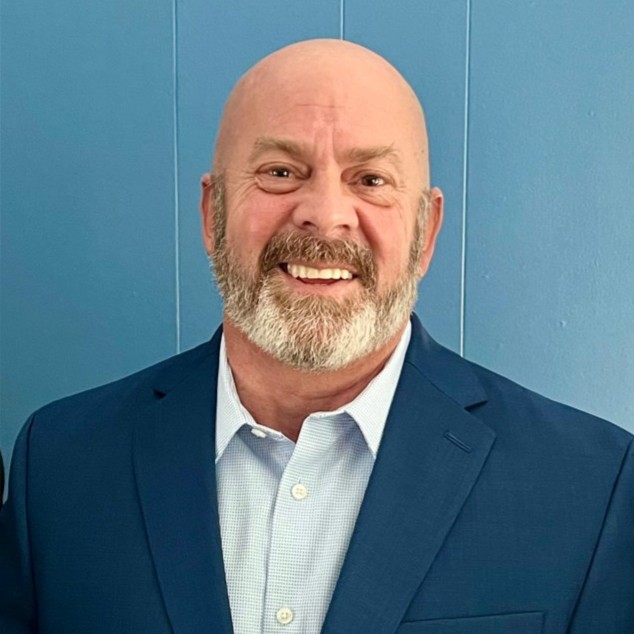
Berrick Abramson is President of Confluence PSG. He is a nationally respected thought leader with more than two decades of experience in public policy and has been a trusted senior advisor to a number of local, state and federal officials. Berrick has led work on a variety of complex policies ranging from fiscal policy and transportation funding to the use of federal funds in different programs, creating comprehensive strategic plans at the local and state level and supporting leaders establishing legislative, corporate and agency priorities.
Confluence PSG partners with government and private sector leaders to support policy and system change.
CONTACT INFO
- CO | NC | FL | National
- 303.551.6989
- 910.239.8740
- inquiry@confluencepsg.com