President, Confluence PSG
On some of the most challenging issues facing communities, agencies, and governments, the way a Collaborative Decision Making Process (CDMP) is managed can make or break its outcomes. In previous posts, we’ve covered the basics of CDMPs such as work groups and task forces along with when and why to use a CDMP and how to structure it. While a thoughtfully structured task force or work group sets the foundation, the effectiveness of the process itself hinges on how it is run, facilitated, and sustained. This blog outlines key best practices to manage and operationalize a CDMP once it’s up and running.
Clarity of roles is essential. Who runs the day-to-day logistics? Who steers the process? While chairs or co-chairs may serve as public-facing leaders, it’s often a facilitator who will design the continuum of discovery and discussions, facilitate the conversations and keep the group on track. An administrator or project manager also plays a critical role ensuring everything from meeting logistics to agendas, guest presenters, meeting notes or minutes and coordinating with any subject matter experts or others who will provide input. Sharing these roles and responsibilities with each member of the CDMP helps everyone understands who is responsible for setting agendas, leading discussions, capturing decisions, communicating with members, and tracking progress.
Every meeting must be designed with purpose. The arc of conversations should build momentum and insight over time—not exhaust participants. Avoid meetings that feel like updates or that revisit the same ground. Instead, sequence discussions to explore issues thoroughly, elevate shared priorities, and use tools like straw polling, small groups, or expert panels to deepen analysis. When participants are being exposed to new information, the process should be designed to allow time to learn, to process, to explore together and to reflect on before pushing for any proposals, recommendations or decisions. Face-to-face time, whether in person or virtually, should be utilized for tasks that benefit from the group dynamic. Conversely, tasks like reviewing a power-point, background information or research, can be done as pre-work and followed by discussions or clarifying questions when the group convenes.
The rhythm of meetings matters. Meet too infrequently, and momentum stalls. Too often, and participants may burn out. Match frequency to the complexity of the issue and the time available. Meeting length and format is equally important. Virtual meetings allow participants to reduce the interruption to their day and are more convenient for participants who are spread out geographically or who have barriers to traveling. Some elements of the CDMPs do benefit from in-person time when it’s practical. They are great for building trust and personalizing the discussion, particularly when participants don’t know each other or are coming to the conversation with opposing views. In-person work-sessions are also effective forums for longer deep-dives or sessions like brainstorming where group activities, white-boards and sticky notes can advance the work. For both virtual and in-person, the length of meetings matters. It’s tough to keep people truly engaged for more than three hours in a virtual meeting even with breaks. For in-person meetings, with a lunch break and some interactive elements, six hours is about the limit before engagement fades.
All participants should have easy access to all materials they need to prepare for upcoming meetings, reflect on past discussions or learning sessions and review presentations or research. There are several free or low-cost platforms like Google Drive and Dropbox that allow CDMP project managers to organize and share materials. For enhanced security, capacity or ease of access, a dedicated data-room or other file and information sharing platform is another option.
If some or all of the work of the CDMP is required or intended to be accessible to the general public, the project manager will need to consider this in determining how things are distributed, shared and posted. This may call for separate folders or platforms for the public, CDMP members and the CDMP project team. For all involved transparent documentation builds trust—recaps, draft recommendations, and summaries should be clear, accessible, and timely.
Watch out for executive micromanagement, scope creep, ambiguous decision-making rules, or under-resourcing. Many groups falter not from disagreement but from confusion or fatigue. Proactively name these risks and set systems to avoid them.
Management is where intention meets implementation. The most elegant structure will fail without strong process leadership, consistent engagement, and a clear arc of progress. In our next post, we’ll explore how to choose the right facilitator—one of the most pivotal decisions in any CDMP.

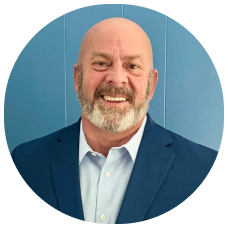
Berrick Abramson has designed and facilitated more than 50 work groups, task forces, and multi-stakeholder processes across AI governance, transit, healthcare, education, criminal justice, disability rights, wildfire resilience, and workforce development. He serves on the Colorado Commission on Higher Education, appointed by Governor Polis in 2019 and reappointed in 2023.
Colorado Educator Safety Task
Force
What Most Facilitators Get Wrong
Read →
Get Ready Before You Begin:
Preparing Your CDMP for Launch
Read →
The Colorado Way: What the AI
Working Group Got Right
Read →
New posts when they publish. No
gate, no obligation.