Senior Partner & Co-Founder
The success of a collaborative decision making process (CDMP) is shaped not just by what’s discussed but by who’s in the room. And while it’s tempting to start with a stakeholder checklist or a list of usual suspects, effective CDMPs require more intention than inclusion alone.
In fact, the composition of your task force, committee, or work group might be the single most influential design decision you make.
When it comes to selecting members, many well-meaning leaders default to a version of: “Let’s get one person from each major group.” While inclusion is important, representation without alignment to purpose can derail a process.
Instead of starting with categories of stakeholders, start by asking:
The answers to these questions will tell you more about who should be at the table than any pre-defined list.
In today’s polarized environment, it’s easy to build a group that performs debate but avoids decision-making. If the group is designed primarily for optics or box-checking, expect gridlock.
Instead, look for participants who:
In short: build a group that’s capable of doing the hard work of listening, negotiating, and compromising. That’s what a CDMP demands.
Even if you’ve selected the right members, unbalanced dynamics can undermine the process. Watch for:
While there’s no magic number, most CDMPs function best with 12 to 20 members. That’s enough to reflect diverse views, but small enough to build trust and allow for real dialogue.
Considerations include:
Clarify these structures early to avoid power struggles later.
The way you select participants communicates your values. Were people handpicked behind closed doors? Was there an open call with clear criteria? Did community leaders have a say?
Your approach should reflect the goals of the CDMP: transparency, trust, and commitment to outcomes. And the people you choose should reflect those goals too.
Membership is more than a list of names. It’s a strategic tool for shaping the tone, trust, and trajectory of a collaborative process.
When you choose participants with intention and clarity about the kind of work ahead, you increase your chances of success. And when you combine the right participants with the right facilitator, you create the conditions for breakthrough progress.
Next up: what goes into preparing your group for launch so they’re aligned, equipped, and ready to get to work from day one.
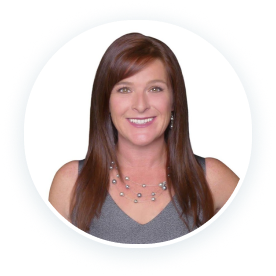
Carrie Steele is Policy Director and Senior Project Manager for Confluence PSG. She oversees the day-to-day activities of each client engagement. Carrie takes a hands-on approach and is currently leading the coordination of projects that range from an inter-agency state government work group to a 200+ stakeholder statewide coalition. Carrie has a diverse background in politics, public policy and corporate finance where she gained insights into the challenges and benefits of leveraging diverse perspectives to drive the most powerful outcomes.
Colorado Educator Safety Task
Force
What Most Facilitators Get Wrong
Read →
Get Ready Before You Begin:
Preparing Your CDMP for Launch
Read →
The Colorado Way: What the AI
Working Group Got Right
Read →
New posts when they publish. No
gate, no obligation.